
The Japanese art, science and craft of making things.

Nambu cast iron teapots with exquisite ceramic Kiyomizu Ware lids from Kyoto.
As I lie wide awake in my hotel room here in Tokyo, accepting that jet-lag has set in, I think about the little shop my Colours of Japan travel companions and I just visited earlier in the evening. The shop was a treasure trove of beautifully made crafts from Niigata, a coastal town on the west side of Japan. My friends were quite fascinated by everything there. I too was captivated by each item, taking my time holding objects in my hands, admiring the details, much like what I ask my HINOKI guests to do in my woodland tea ceremony with the Japanese tea cups.
In Japan, I could easily find myself in a shop for hours admiring everything. On the surface, this could be interpreted as superficial and materialistic, but I believe there is a deeper reason my friends and I stayed in the shop for quite some time and why I often return home with many tea cups, kimono cloth and wooden bowls.

Ceramic artist.
There is a term in Japanese called monozukuri, the Japanese art of craftsmanship, and is deeply embedded in the country’s rich cultural heritage. It goes beyond mere manufacturing; it embodies a profound philosophy emphasising precision, dedication, and a relentless pursuit of perfection.
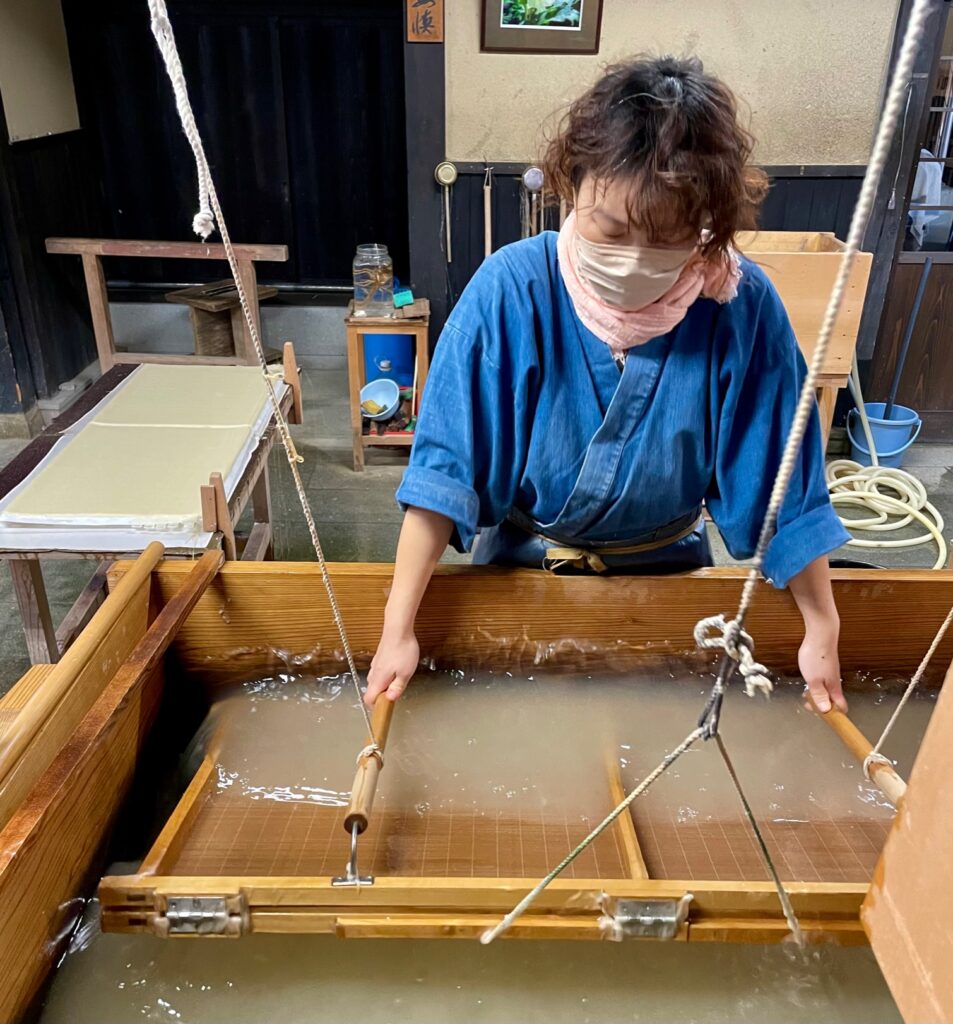
Making Washi (Japanese Paper) in Echizen out of the Mulberry Plant.
In Japanese craft, monozukuri is evident in traditional arts such as pottery, calligraphy, and tea ceremonies. Skilled artisans devote years to honing their techniques, focusing on every intricate detail. The aesthetic appeal of Japanese craft lies in its simplicity and elegance, reflecting the harmony between nature and human creativity. For instance, in the art of Ikebana (flower arranging), each flower and leaf is carefully placed to create a harmonious composition, showcasing the essence of monozukuri.
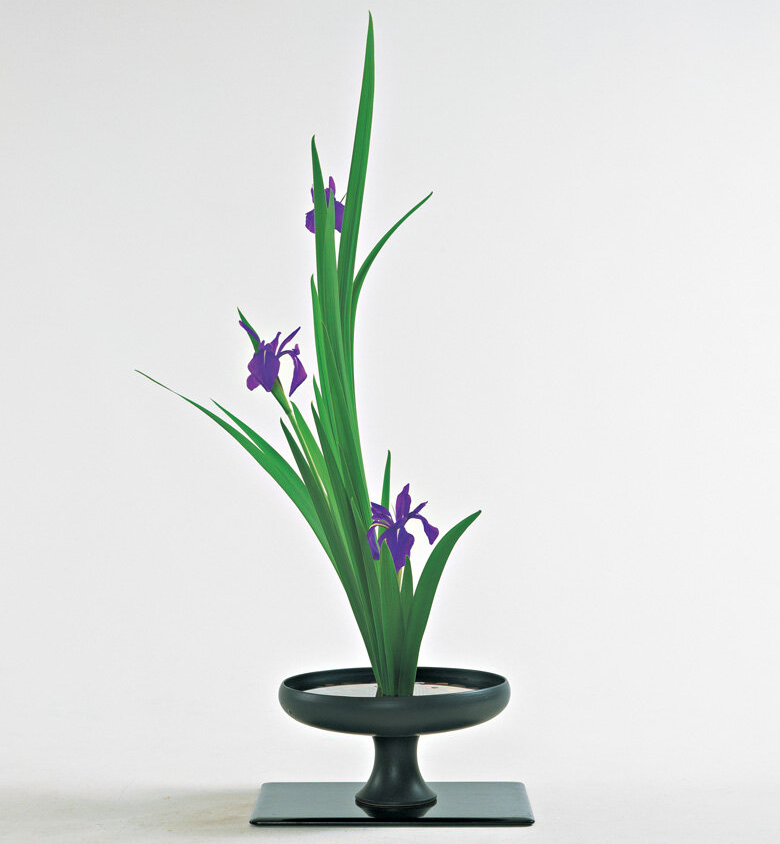
Ikebana – the Art of Flower Arranging © Shozo Sato
Japanese culture also celebrates monozukuri in everyday items, such as textiles, ceramics, and woodworking. We are travelling to Kanazawa next, where we will witness monozukuri in gold leaf decorated woodwork and then to Kisoji, where we will see hinoki wood bath tubs made to perfection.
Monozukuri has influenced modern Japanese design too, such as in architecture and technology. Japanese architects and designers embrace the concept of minimalism, creating spaces and products that are functional, elegant, and timeless. In the realm of technology, Japan is renowned for its precision engineering, leading to innovations in electronics, robotics, and automotive industries.
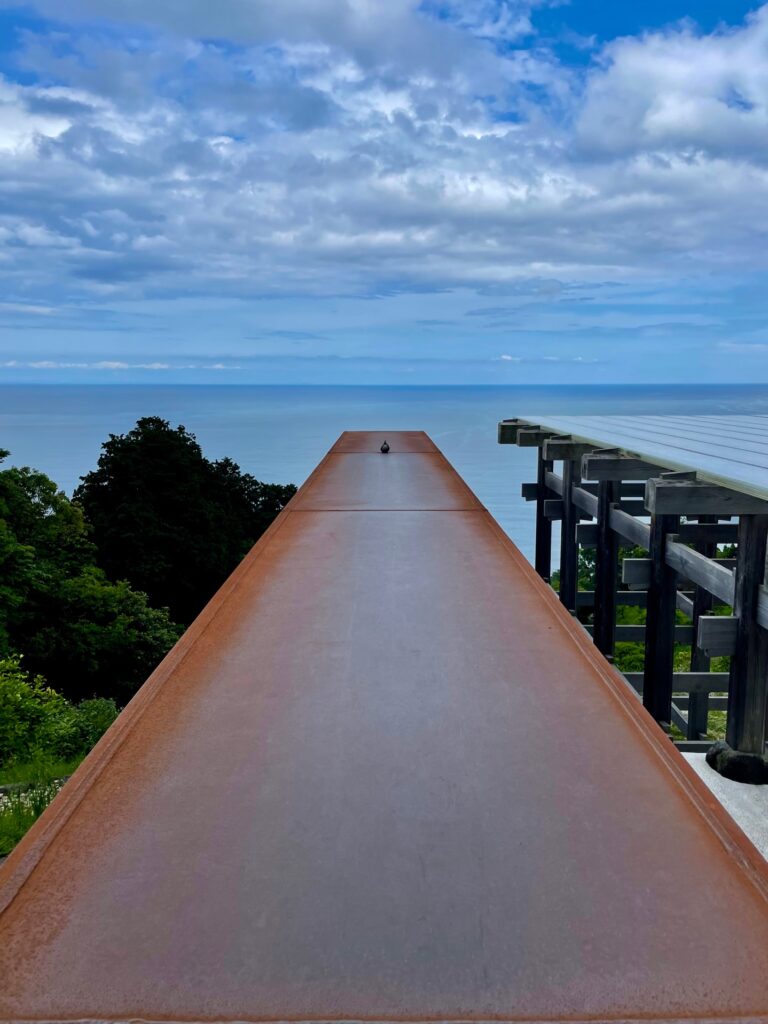
Architecture in Enoura Observatory & Garden in Hakone, where we will also visit.
Whilst holding the intricately designed and made items in my hands on my last visit to Japan, the time, passion and devotion that went into each item is felt, admired and appreciated. There is a deep connection felt with the artisan of the gold leafed wooden jewellery box made by a specialist in Kanazawa or the wooden bowl so thin and delicate, protected in lacquer from the urushi tree, made by a crafts person in Kisoji. These are more than mere objects of beauty. They possess a soul that speaks to your own.
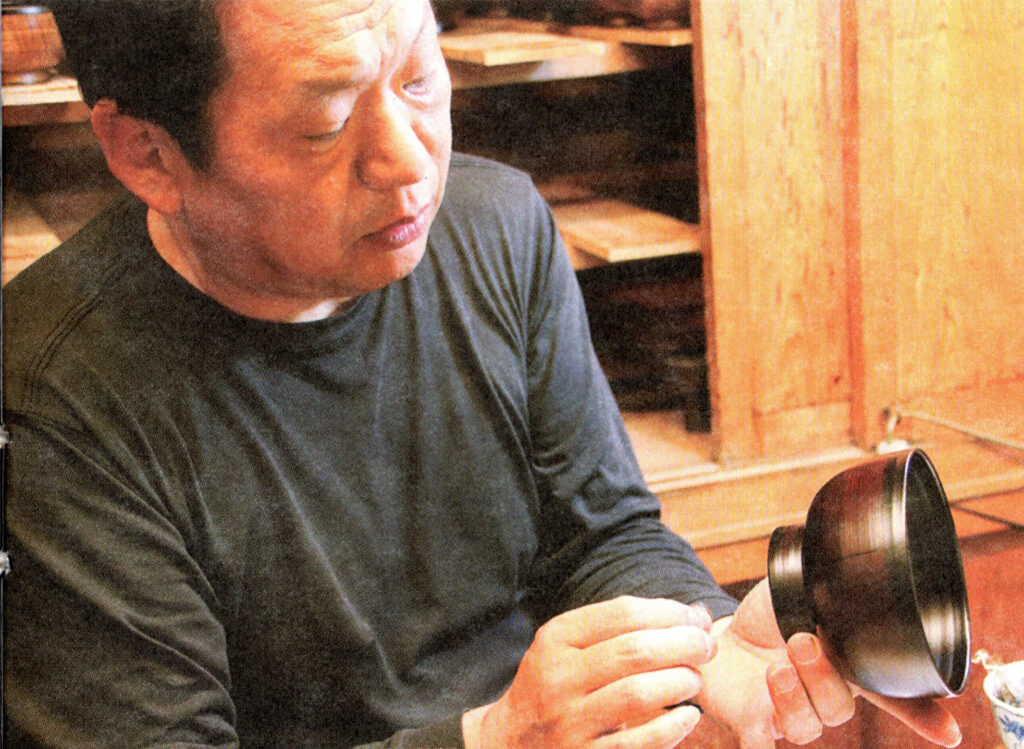
Masayuki Ogura inherited the traditional craft of using the wheel to make wooden bowls and deeply feels gratitude to the trees when making the bowls.
My friends and I look forward to visiting the beautiful towns, cities and villages in Japan: Kanazawa, Kisoji, Kyoto, Hakone and Tokyo. We will no doubt experience the essence of monozukuri everyday we are here, such as in sado (Japanese tea ceremony), yukizuri (carefully and artfully tying ropes and bamboo to pine trees to protect them from the winter snow), and shodo (Japanese calligraphy) to name a few and admire this reverence for tradition, the pursuit of excellence, and the seamless integration of artistry, functionality and quite often nature.
Thank you for reading my HINOKI Insight. I hope you have gained a little more insight on Japanese culture.

