/
In Japanese, shoshin (初心) is written with two characters: sho (初), meaning first or beginning, and shin (心), meaning heart or mind, though that “or” is misleading. In Japanese, 心 is also read as kokoro, and it holds both meanings at once, inseparably. It describes the place where thought and feeling meet: not just an open mind, and not just an open heart, but both together. English has to choose one word; Japanese doesn’t, and that gap matters.
Shoshin, then, is the heart-mind of the very first moment — open, eager, free of assumptions that gather, over time, like sediment.
The Zen teacher Shunryu Suzuki put it simply: in the beginner’s mind there are many possibilities, but in the expert’s mind there are few. The more we know, the more we tend to stop looking. Shoshin asks us to look again, as if for the first time, even at the things, and the people, we think we already understand.
In Japanese culture, this isn’t an abstract idea reserved for monks. It shows up in tea ceremony, in martial arts, in the way a craftsperson approaches a piece of hinoki wood they’ve worked with a thousand times before, still attentive to its grain as though meeting it new. Mastery, in this tradition, isn’t the opposite of beginning. It’s the willingness to keep beginning.
Shoshin and the Forest
This is where shoshin and forest bathing, shinrin-yoku, meet.
Forest bathing isn’t a hike with a destination. It’s not about covering ground or identifying every tree. It asks us to slow down enough that the forest can do the noticing for us; the texture of bark under a palm, the particular green of light through leaves, the sound a stream makes when nobody is rushing past it.
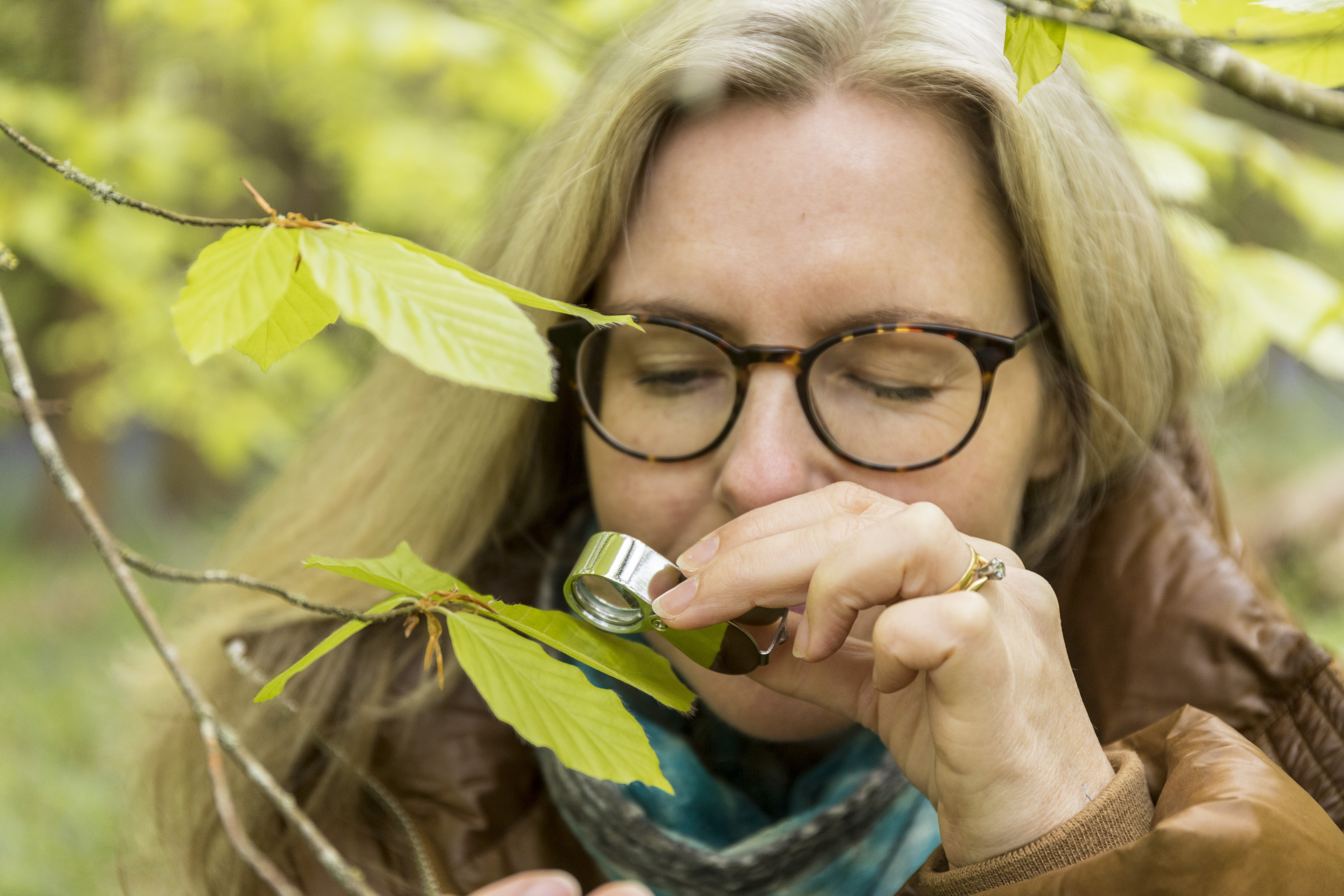
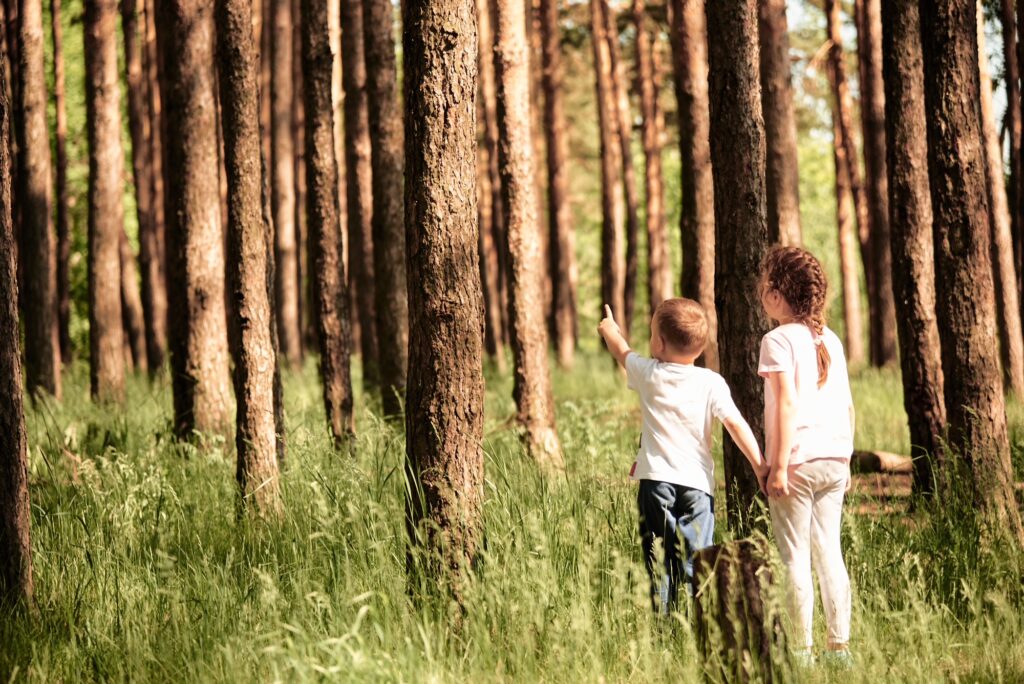
Children do this naturally. Without trying, they approach a fallen leaf or a beetle on a path with total, unguarded attention. No prior knowledge getting in the way of wonder. Adults have to relearn it. Forest bathing is, in many ways, a guided return to shoshin: a chance to set down what we think we already know about “a walk in the woods” and let the forest introduce itself again, freshly, on its own terms.
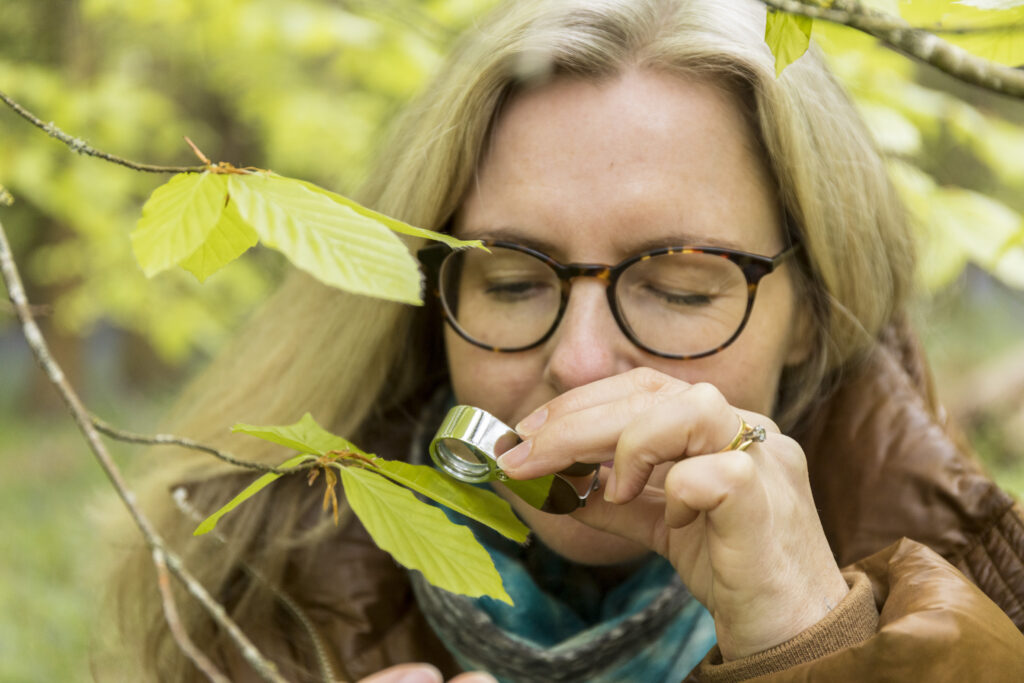
Maybe that’s the invitation, then. Not to know the forest, but to meet it — again and again, as if for the first time. Shoshin isn’t a mindset you arrive at once and keep. It’s a door you walk back through, every time you’re willing to.
The next walk you take, in the woods or anywhere else, try leaving what you know at the threshold. See what notices you back.
If you’d like to practice this with others, I lead occasional forest walks — details are on the site.

