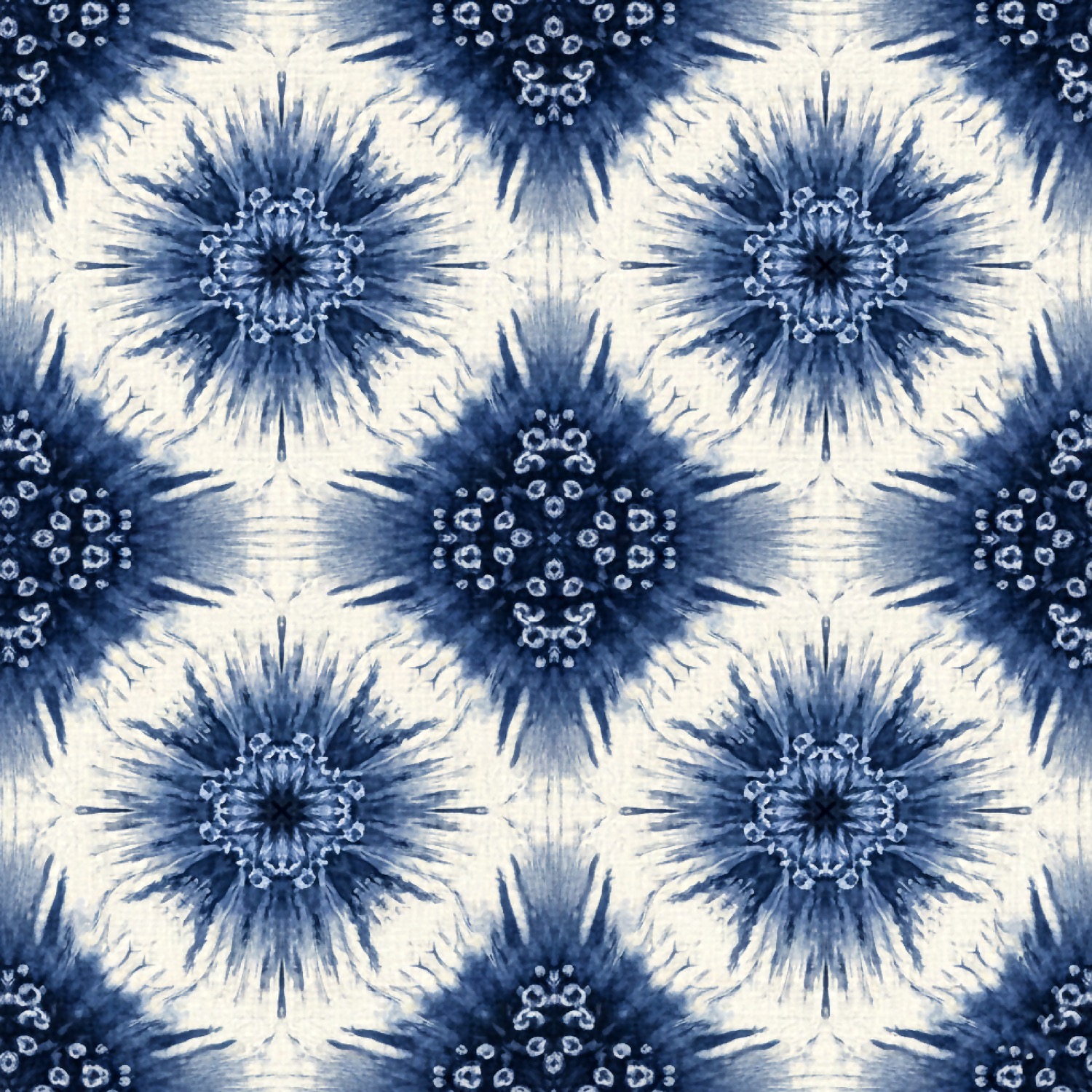
Long before modern medicine, the people of Japan discovered something remarkable, that the indigo plant could do far more than simply colour cloth beautifully.
Shibori, the centuries-old Japanese art of folding, binding and shaping fabric before dyeing, has been practised since the 8th century, refined during the Edo Period, 1603-1868. Artisans would carefully pleat, twist and clamp silk and cotton into intricate patterns, then submerge the cloth into deep vats of indigo dye. When unfolded, each piece revealed something entirely unique, a map of folds, a burst of resist, a beautiful geometry.
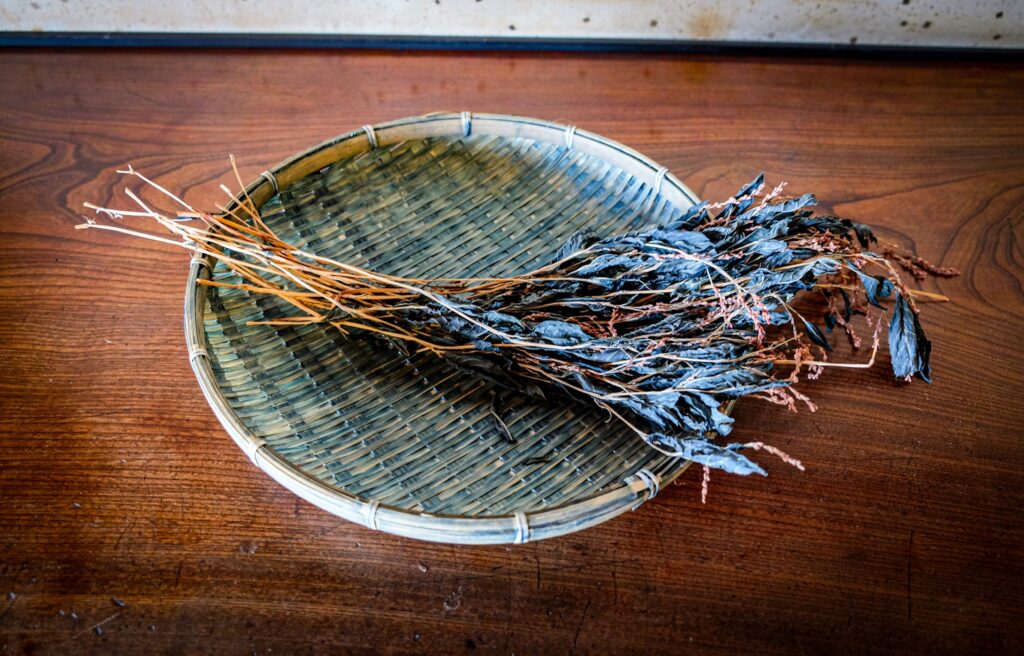
But indigo was more than decorative. Japanese farmers and craftspeople wore indigo-dyed clothing for its remarkable antibacterial properties. The plant’s natural compounds helped protect the skin from insects and bacteria, making it the practical choice for field workers, samurai, and everyday life alike. Beautiful and functional, a rare combination that has stood the test of time.
The tradition spread across Japan’s regions, with each area developing its own distinct techniques and patterns. Today, shibori is celebrated worldwide as both a meditative and rewarding textile art, a practice where slowing down and working with your hands produces something genuinely extraordinary.
Shibori Workshop
If you’re interested in learning these methods and creating your own unique shibori silk scarf, at HINOKI, we offer this seasonally. Look under Conscious Creativity for the next Shibori Workshop.


