‘The bittersweet poignancy of things.’
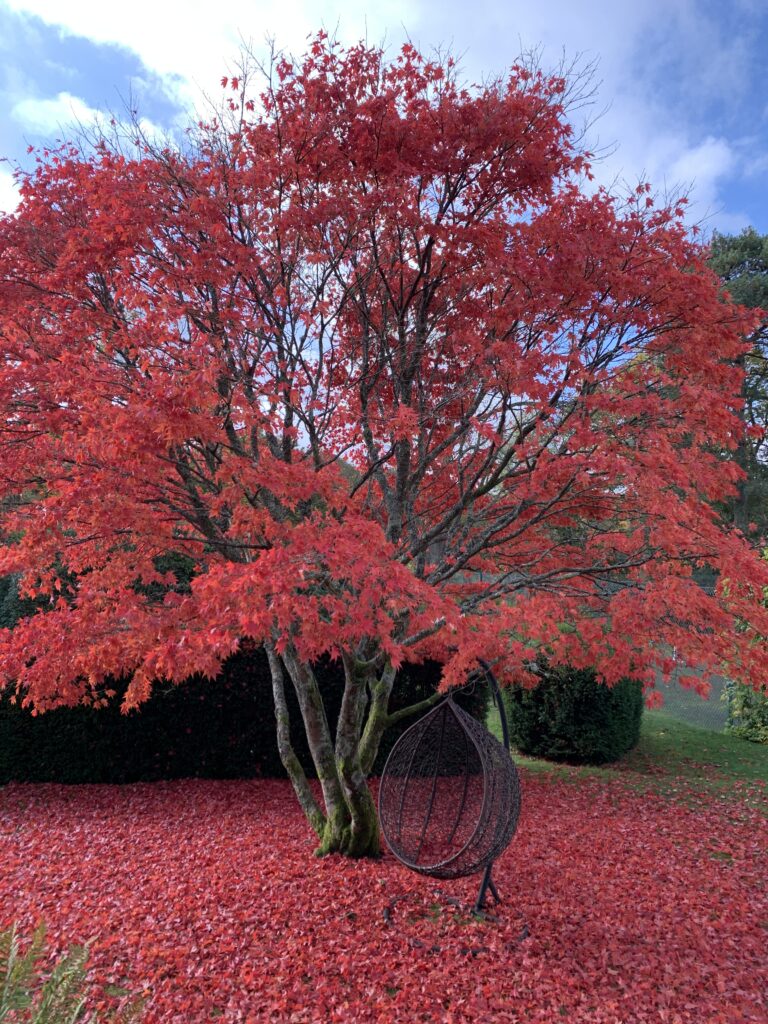
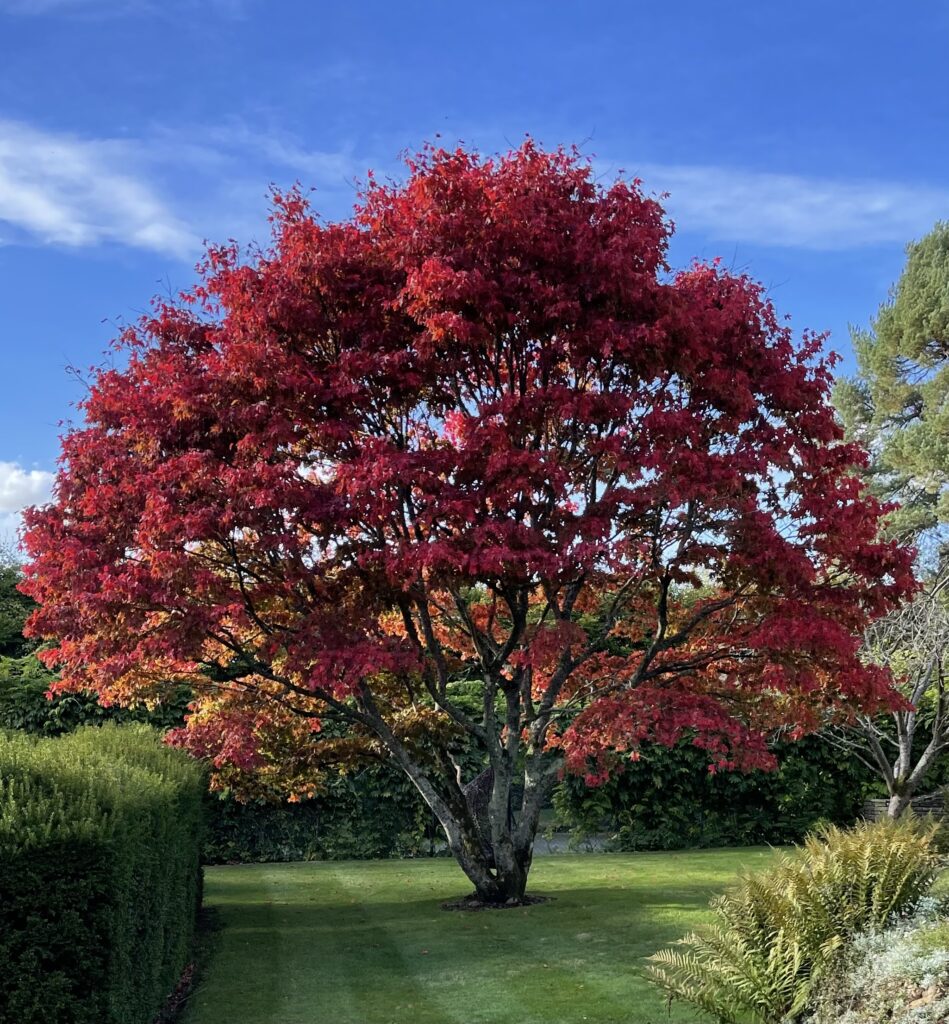
My graceful Japanese maple suddenly turns crimson almost overnight, erupting into a beautiful firework display. She becomes the star of the show for a brief spell in autumn, as the low sun brings a renewed luminosity to her fluttering leaves before they fall. Even damp weather cannot lower her spirits. In fact, it is positive, because it helps prolong this fleeting performance.
We cannot let a moment in time stay as it is. There is a natural course of things and we can either fight it, cling on and wish it stayed, or accept and appreciate it as it happens. In Japan, the transience of things, especially in nature, but in people too, is appreciated at the moment of its existence. This is called mono no aware (moh-noh noh ah-wah-reh), and refers to the bittersweet realization of the ephemeral nature of all things. While there is a sense of melancholy associated with mono no aware, it is not meant to be sad, but rather a deeply felt emotion of the realisation that everything is transient and of its own time and place. It is the awareness that everything is temporary. Your youth, romance, circumstance as well as nature itself all change and are not to be mourned or wished differently when they change, but cherished and appreciated in their impermanence. The beauty of things come from recognising their impermanence, which help you to appreciate them even more, creating deeper connections because of their fleeting nature.

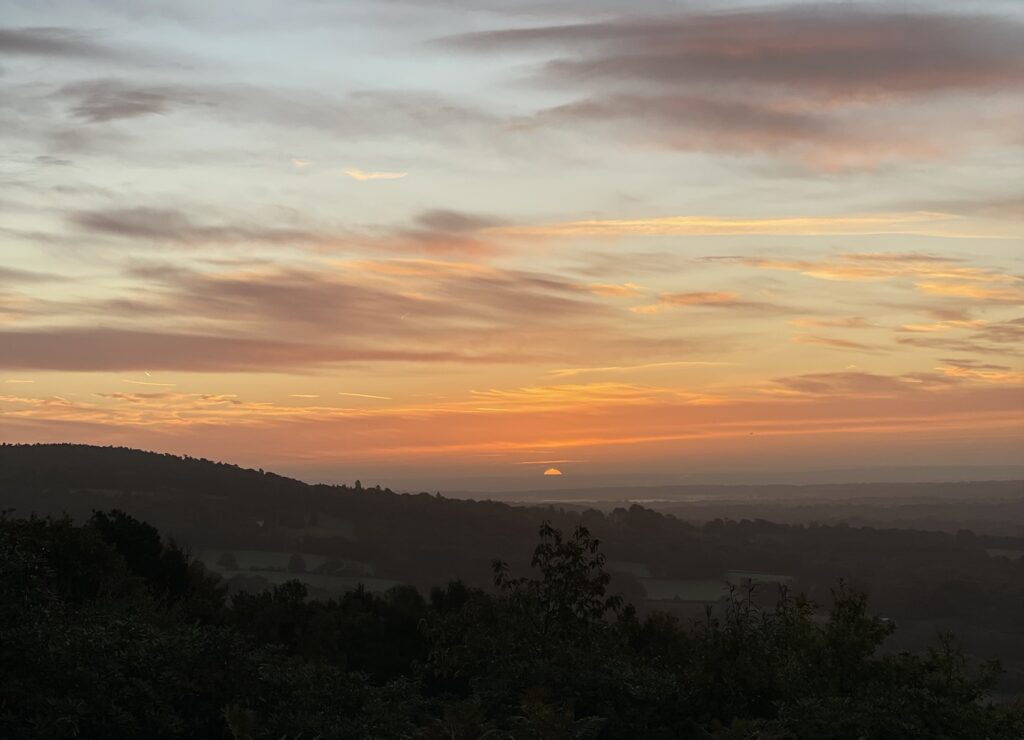
With regards to change, Mono no aware is slightly different to just acceptance of change. It is appreciating that moment for what it is and recognising that it will never happen in that way again (see my Insight on Ichigo Ichie), but also enjoying the course of change, with a slight optimism for what is to come and a sense of calm because it is the natural course of things. Mono means “thing,” but aware was originally an exclamation, like “ah!” So mono no aware is “the ahhness of things” or “the bittersweet poignancy of things.” Fundamentally, it is a feeling that comes when one becomes aware of the transient beauty – a deep appreciation made sharper by the knowledge that it is fleeting, like a young romance, being visited by your grown children for a weekend, the cherry blossoms in the spring that fall so quickly or the moment you see the sun rise on the horizon.
The history of mono no aware comes from Buddhism. Buddhism stresses the impermanence of life and states that we should willingly and gracefully let go of our attachments to things, recognising the impermanence of everything that exists and creating a deeper connection with it because of its fleeting nature.
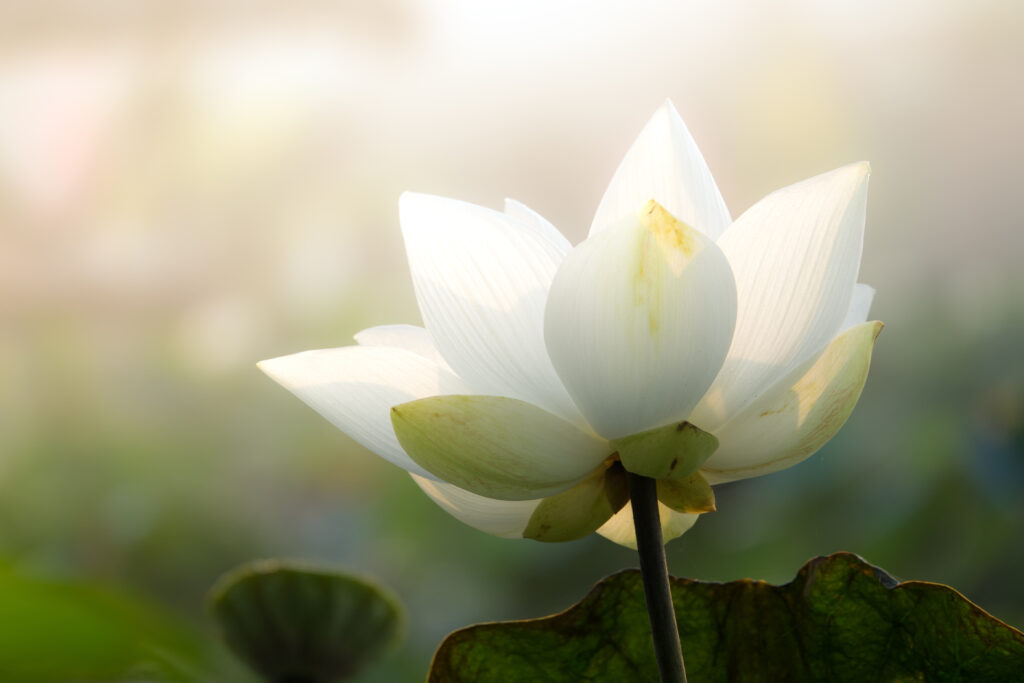
So, it comes down to this: appreciate the moment because the beauty experienced in the moment will never be the same, at least in some cases, not for a while. It will end. And that is okay, because life changes; new beauty will arrive.
My Japanese maple once relied on her leaves and enjoyed her existence with them all, but will soon not receive enough sunlight, so will no longer afford to keep them. She will let them go. The ground surrounding her trunk will bleed red, as the leaves are shed. And all that will remain are her graceful branches. I know from past autumns and winters that I will enjoy the grace of her branches and their stark contrast against the cloudy winter skies. I may even share that moment with one of my daughters.