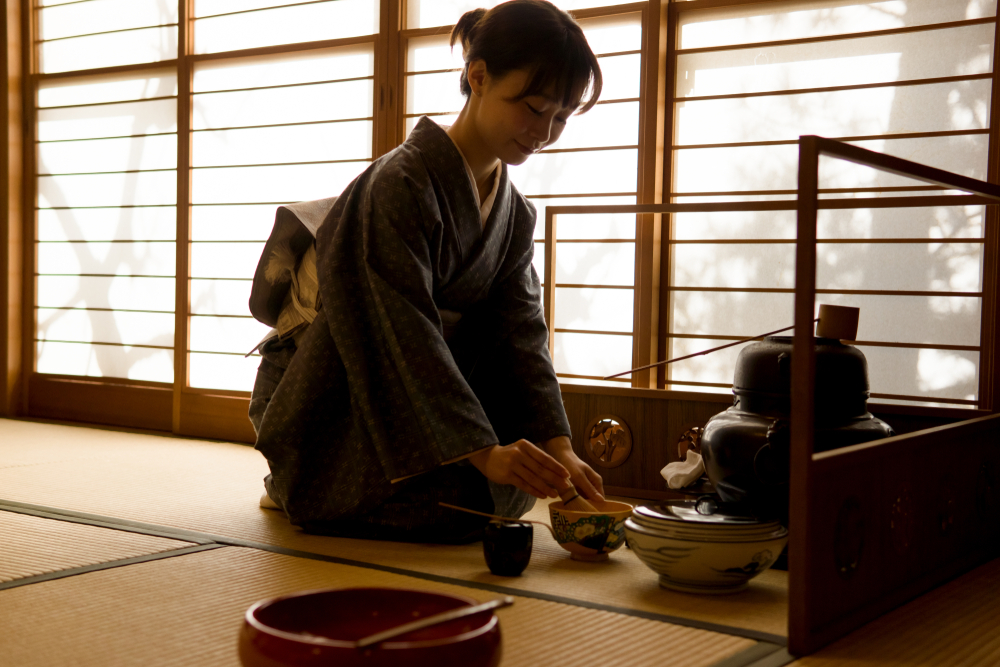
Can you imagine spending a year to prepare for a 4-hour event for one person?
Chakai, or tea ceremonies in Japan can take a very long time to prepare, especially for a one- to-one ceremony. Though most formal tea ceremonies do not usually require that length of time, they can take up to four seasons and a great deal of effort. The host will undertake immense preparation to make it the most memorable experience possible. Preparations include identifying the appropriate hanging scroll to display, choosing the flower of the season that captures the mood the host wants to evoke, considering the season and guest’s preferences in finding the perfect confectionary, and selecting which exquisite tea cup for the guest. If there isn’t a cup from the host’s collection that feels perfect, then the host will go through lengths to find that perfect one that represents the essence of the host and guest.
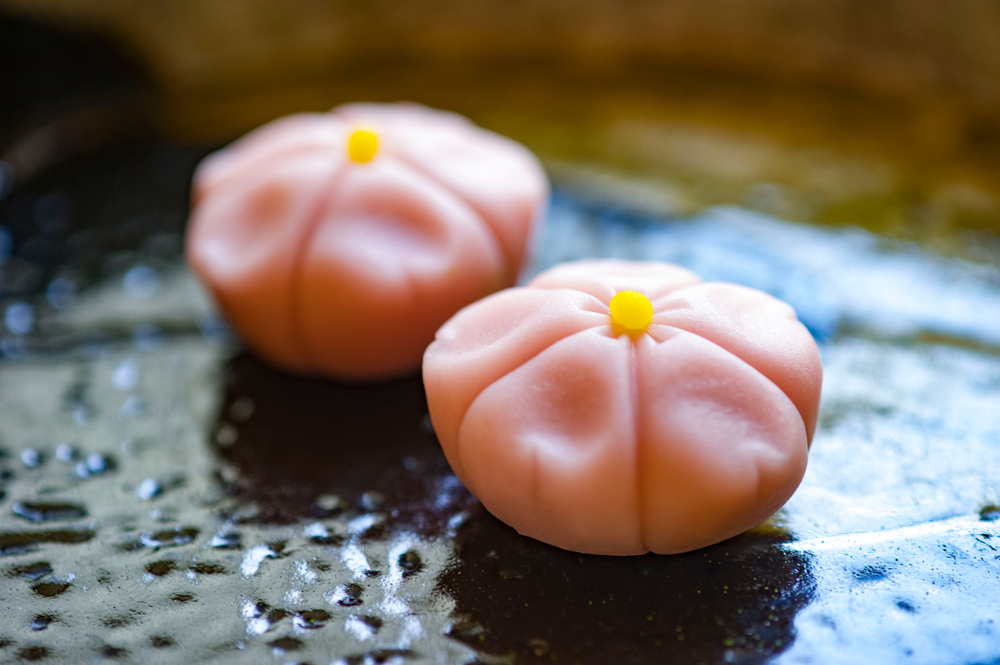
Of course, the guest will never be told or made to feel the amount of effort that the host went through for this once in a lifetime moment. The preparations need to seem effortless and yet feel peaceful, harmonious, purifying and respectful all at once.
The invisible thought and care that the host goes through for the guest is what is called omotenashi in Japan. Omotenashi captures the way the host pays attention to every detail and anticipates the guest’s every need. It is sincerity in giving without expectation of receiving back. It is the Japanese way of receiving guests. Omotenashi is the essence of Japanese hospitality.
The meaning of omotenashi can be broken up to mean “omote,” which means public face – an image you wish to present to outsiders, and “nashi,” which means nothing. Combining them means every service is from the bottom of the heart – honesty, no hiding, no pretending.
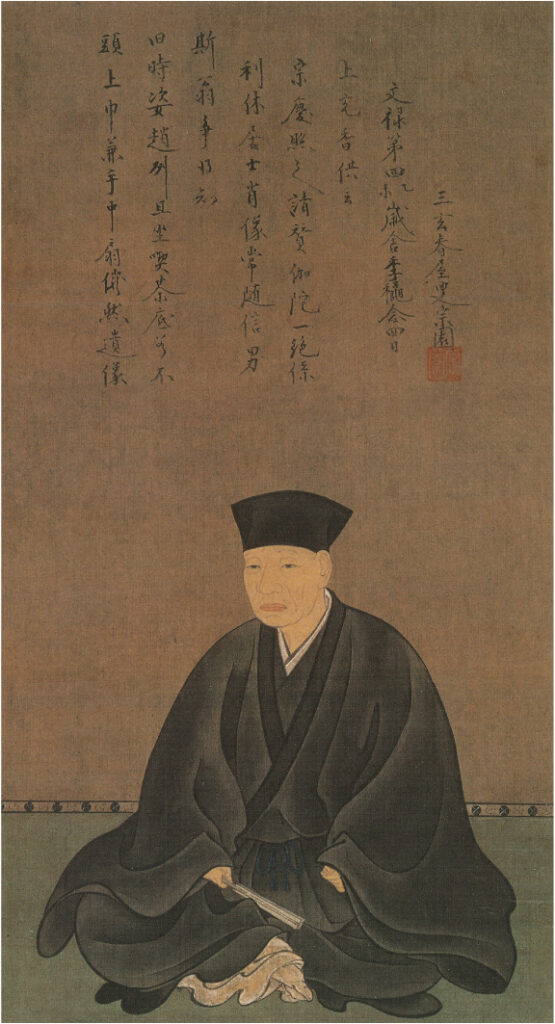
Omotenashi originates from the founder of the Japanese tea ceremony, Sen no Rikyu (1522-1591). He entertained his guests through chakai, where each experience is ichigo ichie (see July/August HINOKI Insights) or a once in a lifetime experience. In chakai, the tea is prepared in front of the guest. The preparation starts from cleansing the ceramic tea bowl, which is performed in a methodological and ritualistic way. By making preparation public, the host expresses that there is nothing hidden and proves their honesty. The ceremony continues with the making of the tea and finally drinking.
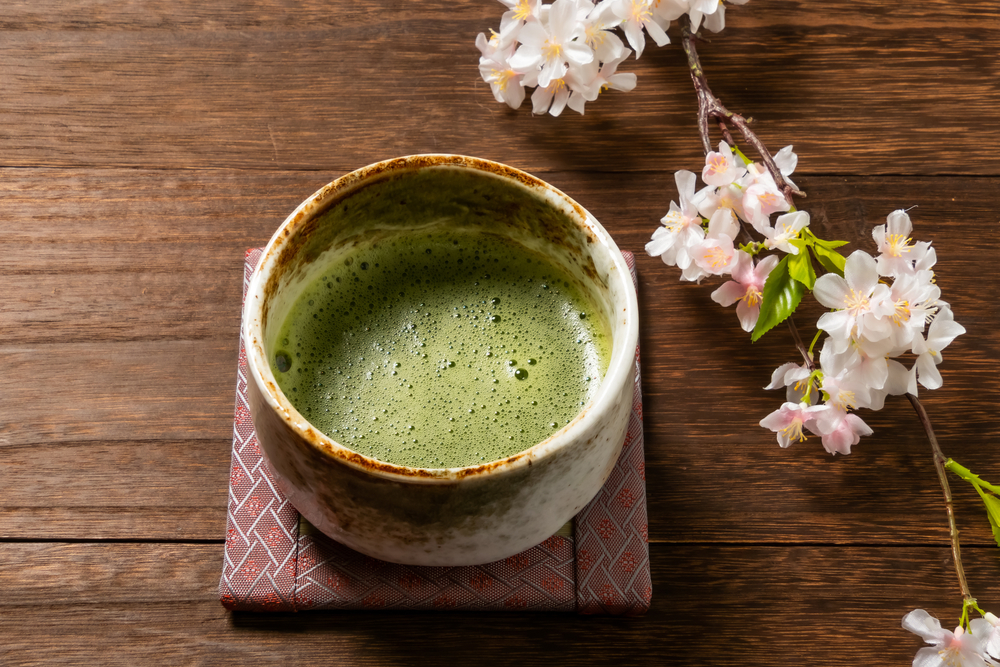
The idea of omotenashi is also largely defined by the poem of Sen no Rikyu: “Though you wipe your hands and brush off the dust and dirt from the vessels, what is the use of all this fuss if the heart is still impure?” Omotenashi, therefore, does not ask for flawless skills, but a pure heart – which leads back to these keywords: serve wholeheartedly.
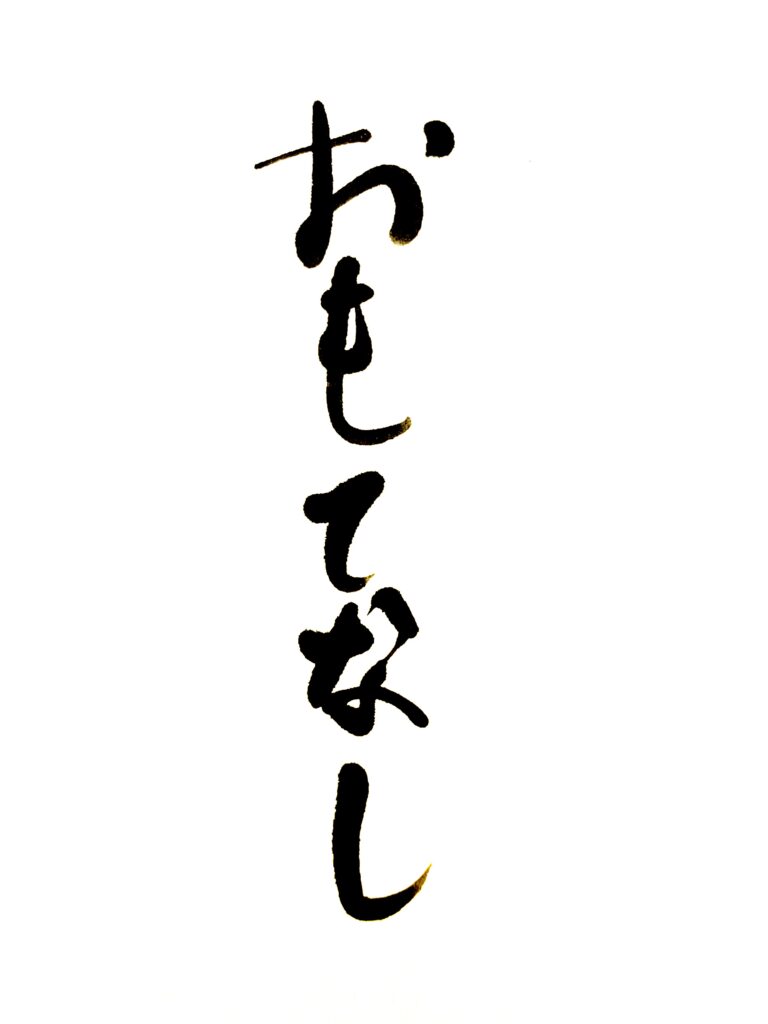
Omotenashi is written in hiragana, the Japanese phonetic alphabet and not kanji, the Chinese adaptation of characters used for most of the Japanese written language. The significance is subtle. Almost all Japanese words can be written in kanji. Omotenashi has no kanji equivalent. This is to say that omotenashi is completely of Japanese origin.
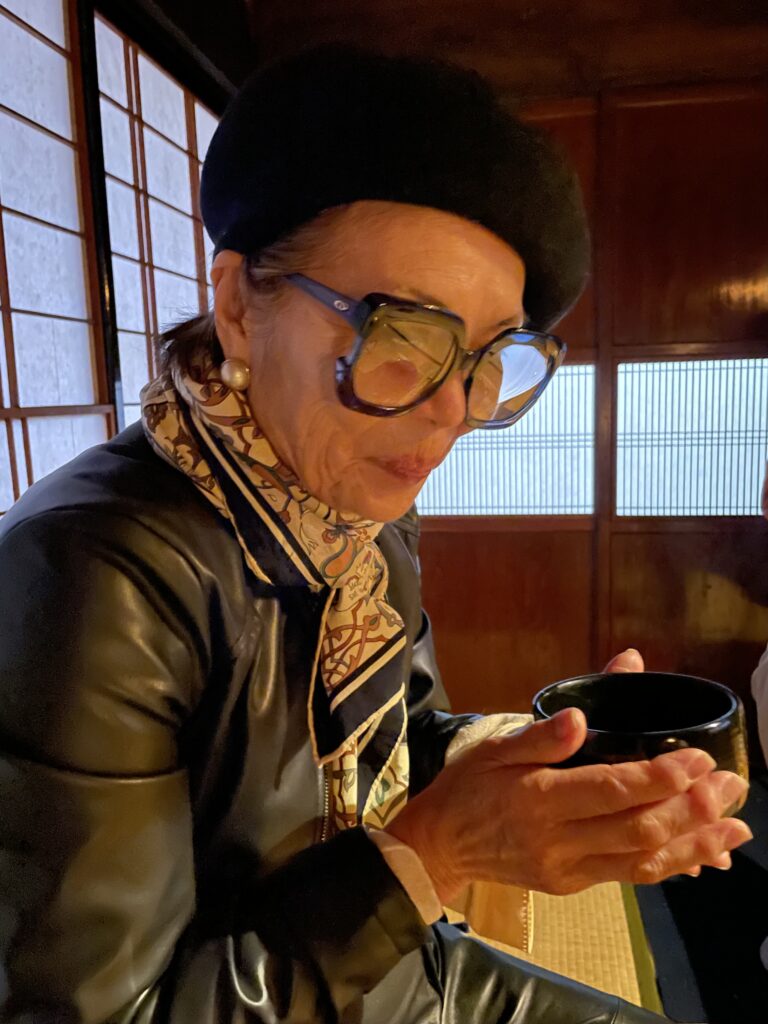
I recently returned from a wonderful visit to Japan with my mother. The feeling of omotenashi was experienced everywhere, from the largest hotels to the smallest Japanese inns.
If one would like to experience omotenashi, I cannot think of a place more representative of this warm, sincere and welcoming hospitality than Japanese onsen (hot spring) inn in Kiso, Takimi-no-ie, where we spent two relaxing nights and wonderful days. Mr Koike, the husband of the couple who own Takimi-no-ie, greeted us at the train station. Our arrival time was earlier than originally scheduled and they kindly altered their schedule for us. Rather than driving straight to the inn, which was not quite ready, knowing our interest in woodwork, he took us to an artist wood workshop where the most exquisitely made wooden bowls lacquered with urushi (sap from the urushi tree) were displayed. After admiring the many bowls, which were beautiful works of art, the owner invited us to rest in the tea room as she made matcha tea for us, served with a black sugar sweet, a nostalgic sweet of my mother’s childhood. We then made our way to the inn. We felt like we were treated as VIPs and I am sure all visitors are treated that way.
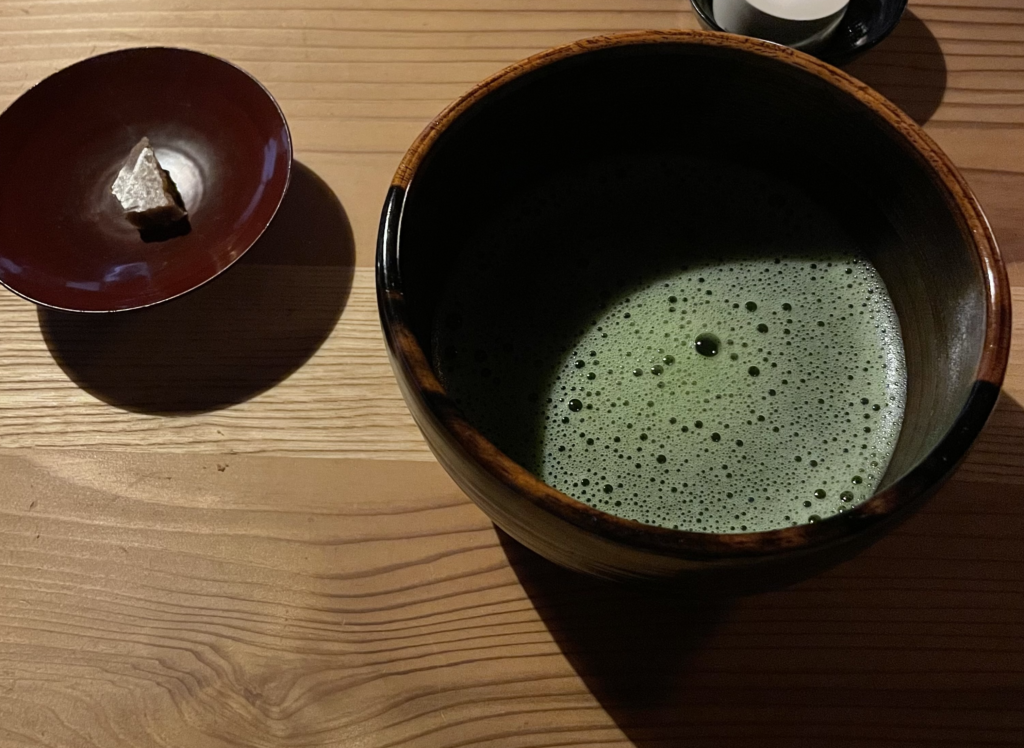
On checking in, we were also greeted with warm hospitality by Mrs Koike. She placed house slippers on the floor for us to change into, served us a cup of green tea, and offered us a small Japanese confectionary. The necessary paperwork was completed, with no rush, and we were shown to our rooms. The room came with everything we needed to stay. It was stocked with pyjamas, a warm vest to wear, toothbrush, hairbrush, make up remover, face lotion, towels and more slippers. We comfortably slipped into calm and relaxation.
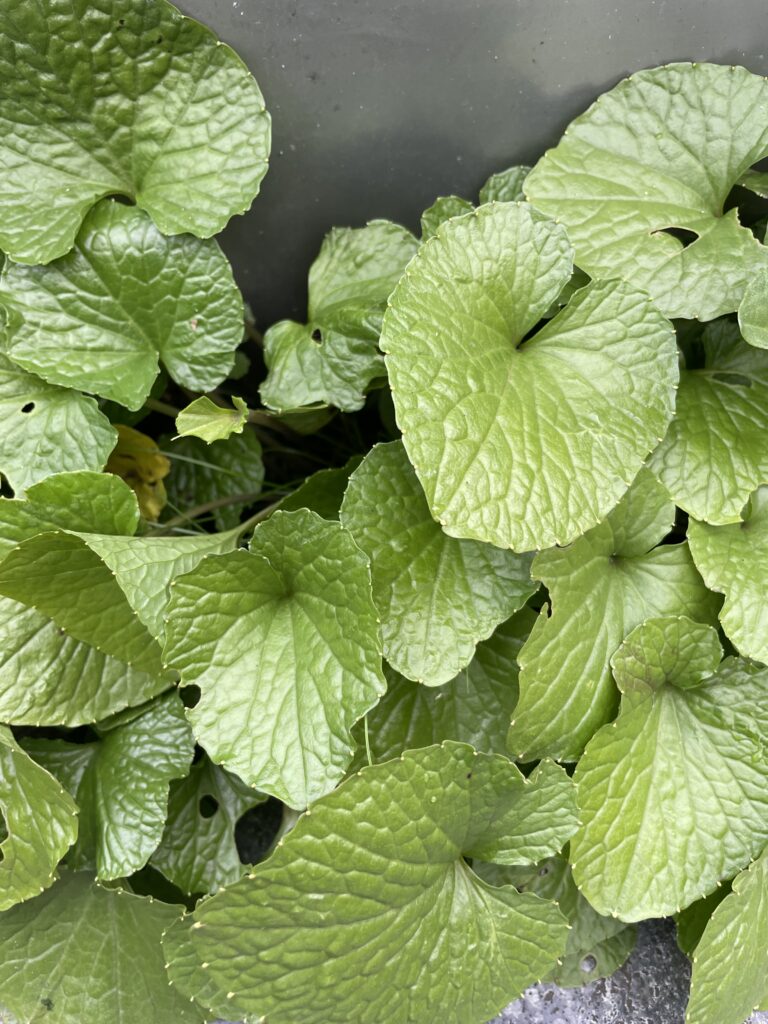
The next day, Mr Koike drove us to another village to start our hike through the hinoki forest. Along our walk, we chatted with a tree surgeon standing in front of running water. I asked him if the water was potable. He assured me it was and took the time to explain too that the water is warm, now that it is cold outside as we approach winter, and cold in the summer when it is warm out, a phenomenon I found fascinating. He then pointed out the wasabi plant, which only grows next to clean, fresh water. We had a long conversation about this. Seeing that I was interested in plants, he then showed us around the garden he was tending. He took the time to connect with us, a desire that was pure and wholehearted.
We finished our walk in another village, where we were to phone Mr Koike and ask him to collect us. We were a bit hungry so decided to visit a manju (Japanese confectionary made with rice flour and buckwheat on the outside and sweetened azuki beans on the inside) shop while we phoned Mr Koike. We realised then that we had no mobile reception. The shop owner knew Mr Koike, so phoned him to tell us where we were waiting. Yet another experience of omotenashi.
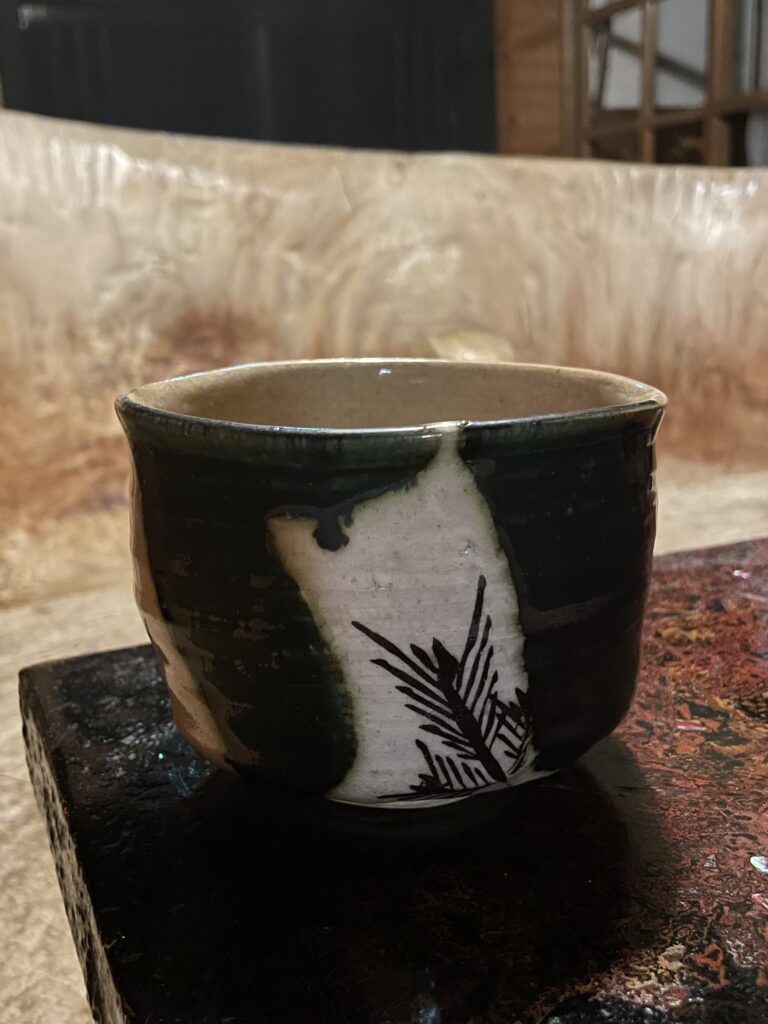
Our two nights at Takimi-no-ie can be described as relaxing, tranquil, calm, pure, and harmonious with nature. Everything we could imagine was thought out for us. The food was always in season and so beautifully presented. We were always given an oshibori, a hot hand towel with which to clean our hands, before and after dinner. Oshibori is another form of omotenashi, thinking of what the customer might need. At breakfast on the day we were leaving, Mr Koike, knowing my interest also of Japanese ceramics and lacquerware, showed us two ceramic tea bowls, those used in tea ceremonies. They were beautiful. And he gave them to me. He also gave me a collection of small nesting wooden lacquered tables and bowls. He offered to pack the lacquerware for me and have them delivered to our final hotel in Tokyo. Omotenashi. Generosity with no expectation.
At our final destination, Tokyo, there at the hotel waiting for us was a box of nicely packed Japanese lacquerware tables and bowls. Thank you, Mr and Mrs Koike.
The concept of omotenashi goes beyond ‘the customer is always right’, instead it is more of an understanding that there are no menial tasks if the result ensures a great experience for a guest. This kind of care and attention to detail is how Japanese culture sees hospitality. From the guest slippers always pointed in a direction allowing the guest to immediately take off his/her shoes and slip into them, to the cashier giving change with the cash turned the right way and coins on top so the customer can easily slip the coins into his/her purse without touching them, to giving the customer with two hands, the bag with his/her purchase. Even at restaurants, guests are given special attention. I was very interested in the matcha we drank at a Japanese ryokan (inn) and so the waitress, who was a qualified tea master, invited me to watch her make tea with the tea ceremonial ritual. All of this done with no expectation of anything in return. There is never a need to tip and yet service is far better than anywhere I have ever been.
Omotenashi is a beautiful part of Japanese culture. I will be returning to Japan next November with friends so that they too can experience omotenashi in Japan.

