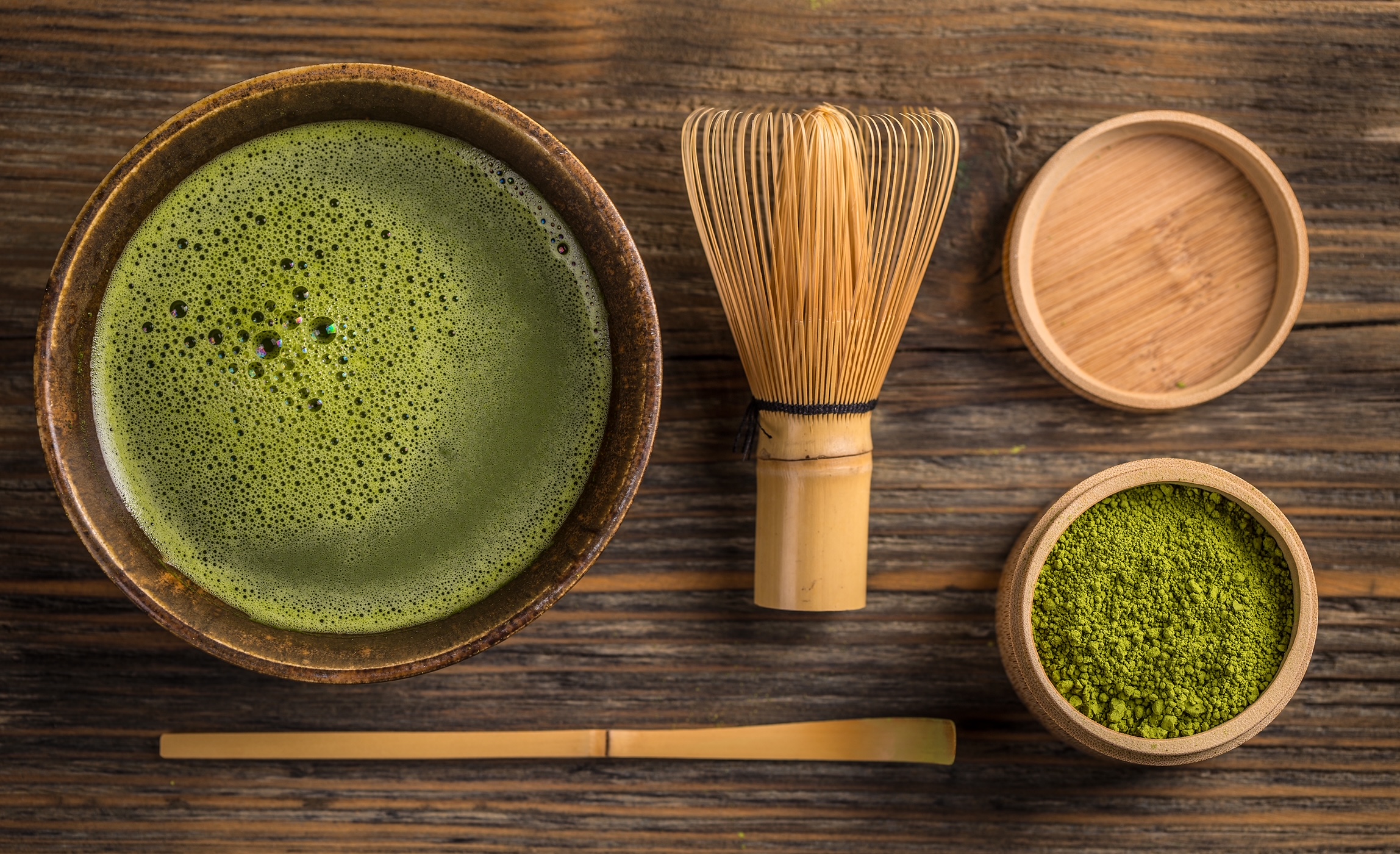
On my recent visit to Japan last month with my mother, I noticed a twist on tea culture—the rise of unique and innovative herbal tea blends. As a nation deeply rooted in tea culture, where the art of tea preparation and consumption, using utensils and ingredients as shown in the photo above, is considered a cherished tradition, Japan’s latest trend has infused a fresh and exciting energy into the tea scene.
One prominent aspect of this trend is the emergence of unconventional tea flavours and combinations. Traditionally, Japanese tea has primarily revolved around green tea varieties such as matcha, sencha, and genmaicha. While these classics remain popular, tea connoisseurs are now venturing into uncharted territory by experimenting with novel ingredients and flavour profiles.

A store called ‘Enherb’ within Mitsukoshi Ginza
On my visits to various tea houses (and not the kind you might be thinking about…..more on that in a separate HINOKI Insight!) and stores, I noticed the incorporation of fruits and floral elements into tea blends. Citrus-infused teas, such as yuzu and mandarin, have gained traction for their vibrant and refreshing characteristics. Additionally, floral teas like rose, lavender, and cherry blossom have become highly sought-after, offering delicate and aromatic experiences that tantalise the senses.
There is also emphasis on health benefits of various herbs mixed in with the tea blends. There is a resurgence in the form of specialised tea blends targeted towards specific health goals. Teas infused with ingredients like turmeric, ginger, and chamomile are being marketed for their anti-inflammatory and calming effects. These unconventional combinations have sparked a wave of curiosity and exploration among tea enthusiasts, who are eager to embark on new taste adventures.
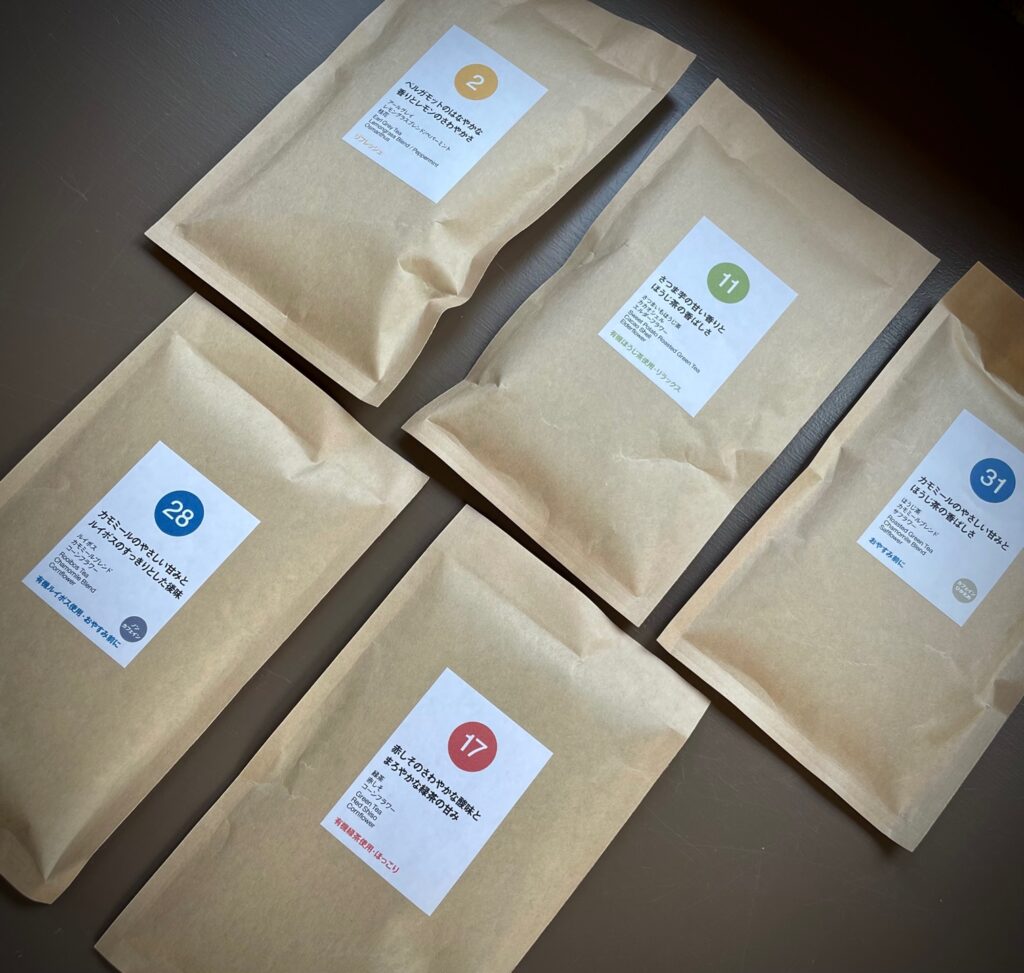
Tea apothecary in Muji!
Moreover, there has been a surge in the popularity of artisanal and single-origin teas. Consumers are increasingly interested in knowing the precise origins of their teas and the meticulous processes involved in their production. Artisanal tea farmers, with their dedication to quality and craftsmanship, are gaining recognition for their exceptional offerings. These teas often highlight the unique terroir of specific regions, showcasing the distinct flavours and aromas derived from the local soil, climate, and cultivation techniques.

Artisinal Tea Tasting at Tokyo Saryo
I look forward to experiencing the Japanese tea culture again in November, when I will be taking friends to Japan to experience Japan first hand, including tea culture!
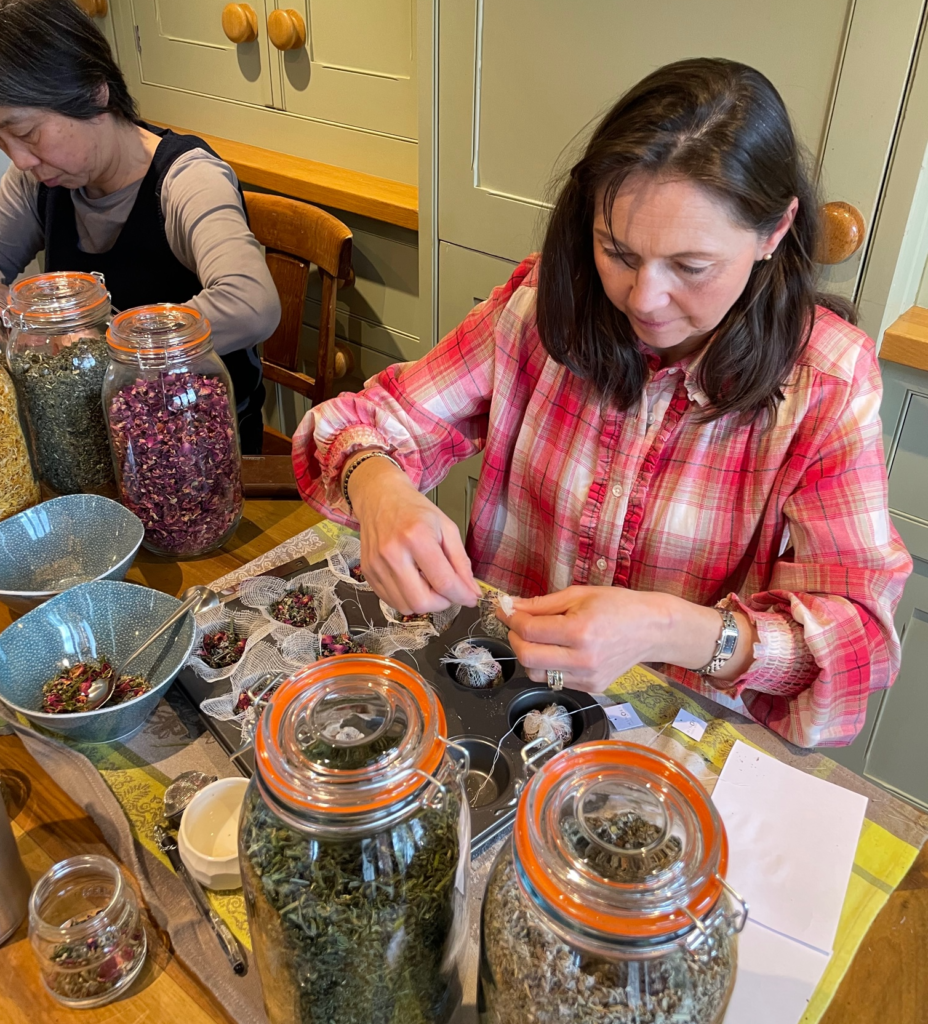
Tea Workshop
If you would like to learn about delicious and healthy herbal tea blends and create your own blends based on your taste and health interest, then please join me on a Herbal Tea Workshop this summer.

