
Look around now and you will see many blossoms, from cherry and blackthorn to magnolia and forcythia. All of these signify to us that spring has arrived here in England. But there isn’t anything more symbolic of the arrival of spring than the sakura, which we know as cherry blossom.

Japan’s famed cherry blossom season officially began on the 20thof March this year, when flowers opened on a Somei-Yoshino cherry tree at Yasukuni Shrine. Japan’s Meterorological Corporation’s official forecast of the blossoming of these famed flowers has been announced. The opening of the blossoms can be followed from the southern area of tropical Okinawa as early as January to the northernmost island of Hokkaido in early May.

The beautiful pink flowers are revered in Japan. So much so that there is a calendar of social events planned around the viewing of sakura, called hanami, which is literally translated as ‘flower viewing’. From as early as the eighth century, elite imperial courtiers paused to appreciate the delicate pink cherry blossoms, often indulging in picnics and holding poetry sessions beneath the blossoms. More than a millennium later and the writings of thousands of haiku, a Japanese poem of seventeen syllables, in three lines of five, seven, and five, traditionally evoking images of the natural world, the sakura is no less revered.
When the sakurablooms actually arrive (as confirmed by a team of cherry blossom officials) it is time for the nation’s all-time favourite pastimes, hanami. The appreciation is practiced mostly in the form of picnics under the blossoms all around Japan. However, hanami is experienced at many stages: the initial beautiful view of the blossoms, the falling of the petals onto picnickers and walkers strolling in tunnels of cherry blossom trees and finally the petals linked side by side on rivers, like the famed Meguro River, forming what is called hanaikada, or translated as flower raft. The experience of hanami is beautiful, joyful, filled with smiles, Japanese delicacies and shared happiness. It is also a way to experience mindfulness, as we do in forest bathing.

The philosophy behind the appreciation of these symbolic flowers is as beautiful as the blossoms themselves. Consistent with the Buddhist ideology of impermanence, Japanese cherry blossoms too are very temporary. They last 10-14 days, during which time they are enjoyed. As they start to fall on to the people celebrating hanami, the viewers are reminded of the fleeting happiness and to enjoy the beauty while it is there. There is also sadness for the tragically short-lived blooms, a visual reminder that moments in our lives and our lives in and of themselves, too, are fleeting. Unlike the joy of having the English rose in many months of the year, the joy of the Japanese sakura is transient, and is therefore celebrated and revered in the moment, for that moment will quickly pass.
The lesson from hanami is to savour each moment before it disappears. This is something we can remember when we are forest bathing, being in the present moment, tuning into your senses and enjoying every sensation while wandering amongst the trees.
Forest Bathing with Bluebells in the Chantries
As bluebells start to appear, we are reminded of the warmer temperatures ahead. Forest bathing takes on a different feel, with colours other than dark green and brown. The new leaves of the beech and birch are also a favourite of mine. In Japan, this is called shinryoku, or translated, fresh verdure of spring. These are the newly born leaves. As we walk through the woods bursting with new colours, we cannot help but feel ourselves freshly starting again too.
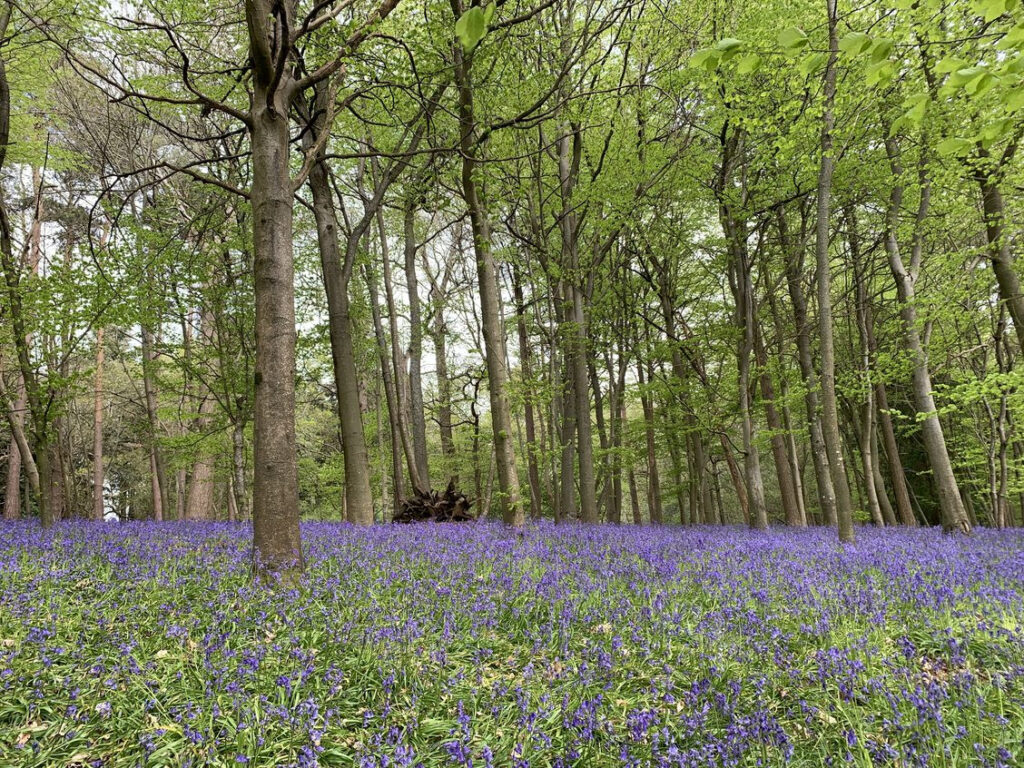
Many of my forest bathing sessions this spring will take place in the Chantries in Guildford. Here we can experience the dappled dancing light through the newly born leaves, shining onto carpets of bluebells.
I hope to see you on one of the HINOKI sessions in the Chantries!

Ukraine Humanitarian Appeal
I also have planned two forest bathing and wild garlic foraging sessions in an area near Box Hill (near Dorking). All proceeds from these sessions will go to the Ukraine Humanitarian Appeal.

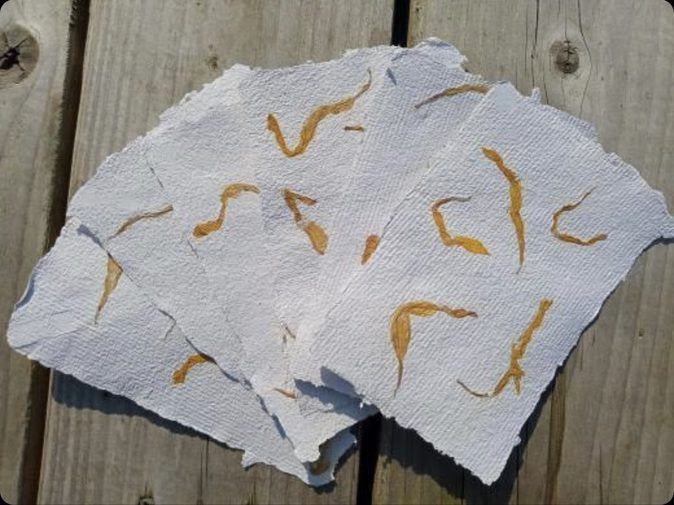
Together with Cheryl from Beasties Botanicals, HINOKI is selling handmade paper with sunflower petals in packs of five for £5. All proceeds from the sale of these cards will go to the Ukraine Humanitarian Appeal. You can purchase them directly from me either at the forest bathing sessions, or please email me to order them.
Cheryl also makes other lovely handmade paper with recycled waste paper using the age-old method of sieving the pulp through a frame and deckle, using natural fruit, vegetable and other plant homemade dyes. Her papers are perfect for illustrating and painting onto or crafting with. They also make lovely invitations to weddings and parties. Please visit her Etsy site on this link.
Japanese Ceramic Tea Bowls & Cups
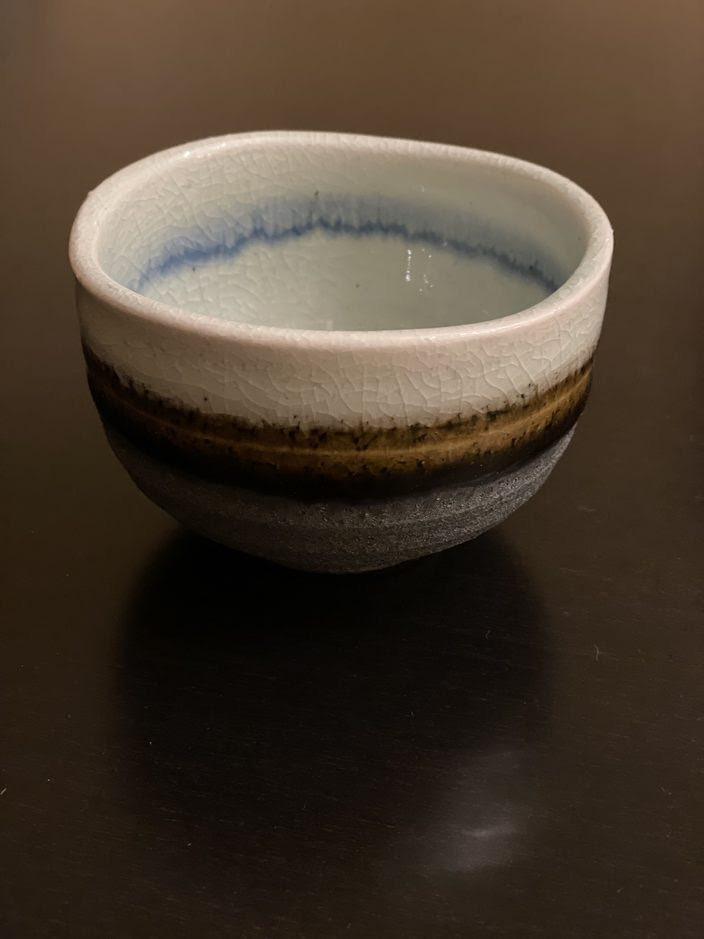
I have been asked about selling Japanese tea cups. Next year, I plan to have some designed for HINOKI. For now, I have managed to source a couple tea cups that I feel have an organic and natural design and form. If you are interested in them, please contact me or see me after the sessions. I will bring them with me.

Thank you for reading my April newsletter. Have a lovely month ahead!
With warmest wishes,
Lisa

