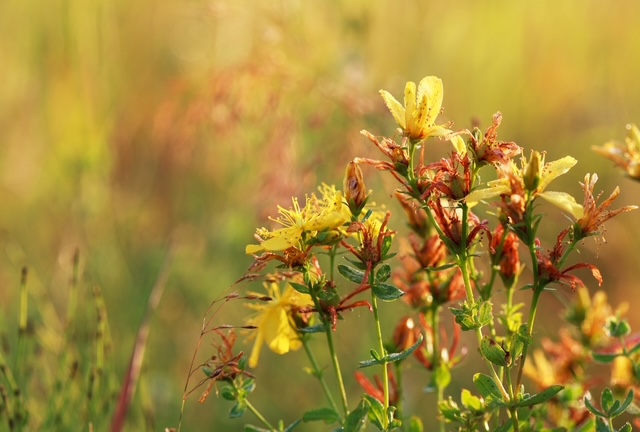
In ancient Japan, the year was once divided not only into spring, summer, autumn and winter — but into 72 microseasons, each just five or so days long. These tiny seasons, known as kō (候), offered poetic reflections of the natural world:
“Insects awaken from the earth.”
“First lotus blossoms.”
“Grain ripens.”
Rooted in close observation and deep relationship to place, these microseasons formed a subtle calendar of becoming — not defined by dates or deadlines, but by what was actually happening outside your door. It was a calendar of change, of presence, of noticing.
Originally adapted from the Chinese solar calendar, Japan made it their own, and now a growing number of us across the world are listening and wondering:
What would this calendar look like here?
In your garden, your hedgerows, your streets and sky?
Here in the UK, the rhythms are different — and yet just as vivid. I’ve been gently exploring a British version of the kō, and recently noticed:
Mosses dry on stone.
Hogweed seeds appear.
Grasses begin to bow.
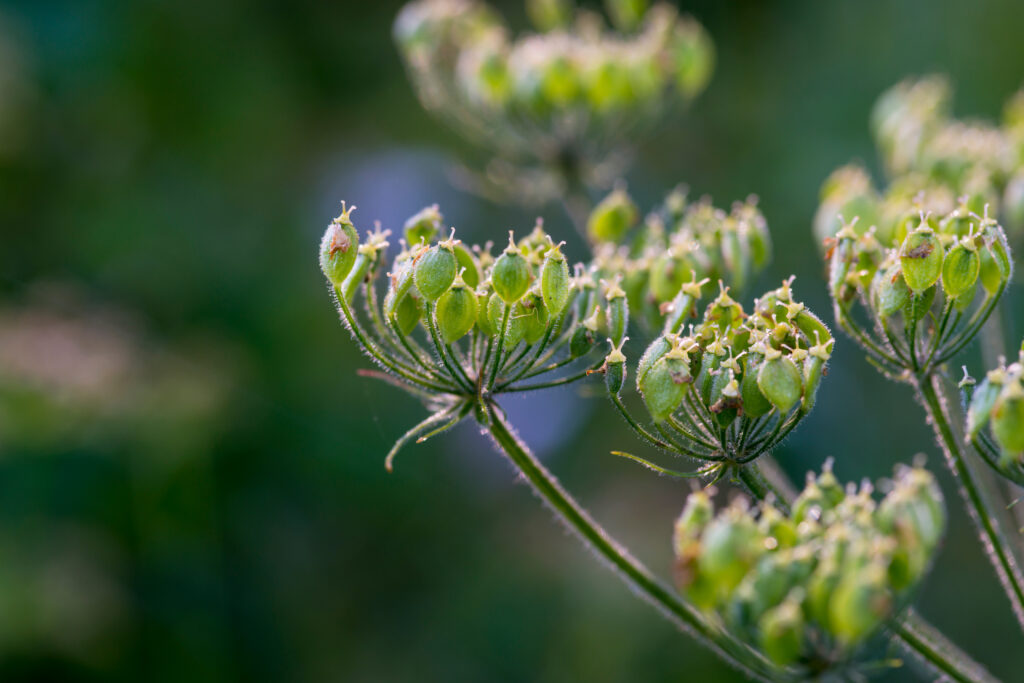
And beginning tomorrow, we enter the Japanese microseason: “Hawks learn to fly” — Taka sunawachi waza o narau (鷹乃学習).
A time when young hawks test their wings — leaping into the air, guided by instinct and wind. It’s a season of first flight, of bold beginnings, of learning through movement. Nature reminds us: we don’t need to have it all figured out to begin. We simply need to start.
Each of these observations marks a small shift; a whisper that something is changing. Not quite autumn, but a soft loosening of summer’s grip. The pace is slow, but the direction is steady.
These microseasons remind us that life unfolds in small movements, not just in great leaps. That clarity may come like the opening of a lotus — gently, from stillness. That letting go, or beginning, can happen quietly — even midair.
Lessons from the Microseasons:
Look closer. What’s happening within a five-day span? What is blooming, fading, arriving, or letting go?
Let rhythm guide you. These seasons don’t ask us to be productive, only present.
Live by the land, not the clock. Noticing the world as it truly is, right now, roots us in something deeper than urgency.
Name what you see. Language matters. Giving poetic attention to the natural world helps us reweave our place in it.
Over the year, I’ll be sharing more reflections — and beginning to create a UK-based micro-season calendar inspired by native plants, birds, weather and more. If you’d like to follow along, offer your own seasonal observations, or simply sit with these ideas, I’d love to hear from you.
In the hush between solstice and harvest,
Lisa

